



The football "European Super League" has failed, but the basketball "European Super League" is coming! The NBA Europe League leverages the popularity of football giants.



Written by Han Bing In February, Real Madrid's reconciliation with UEFA marked the end of the football version of the "European Super League." However, the basketball version of the "European Super League," leveraging the popularity of European football giants, is accelerating its advancement.
The agreement for the NBA Europe League (NBA Europe) with FIBA is expected to be signed by the end of March. The NBA Europe League, which operates independently from the EuroLeague Basketball association, follows a model identical to the football "European Super League": driven by capital outside Europe, bypassing league invitations to recruit clubs, ensuring the interests of elite teams through a semi-closed format...
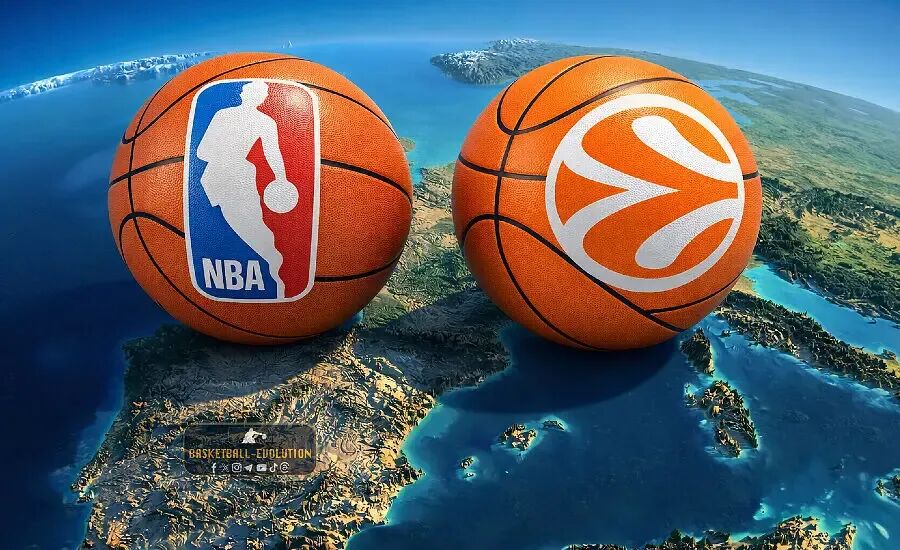
Similar to how the football "European Super League" competed with the Champions League for top clubs, this basketball version of the "European Super League," the NBA Europe League, targets the basketball equivalent of the Champions League—the EuroLeague. The NBA Europe League prioritizes recruiting European football giants, utilizing their popularity and commercial value to start from a position of strength, standing on the "shoulders of football giants."
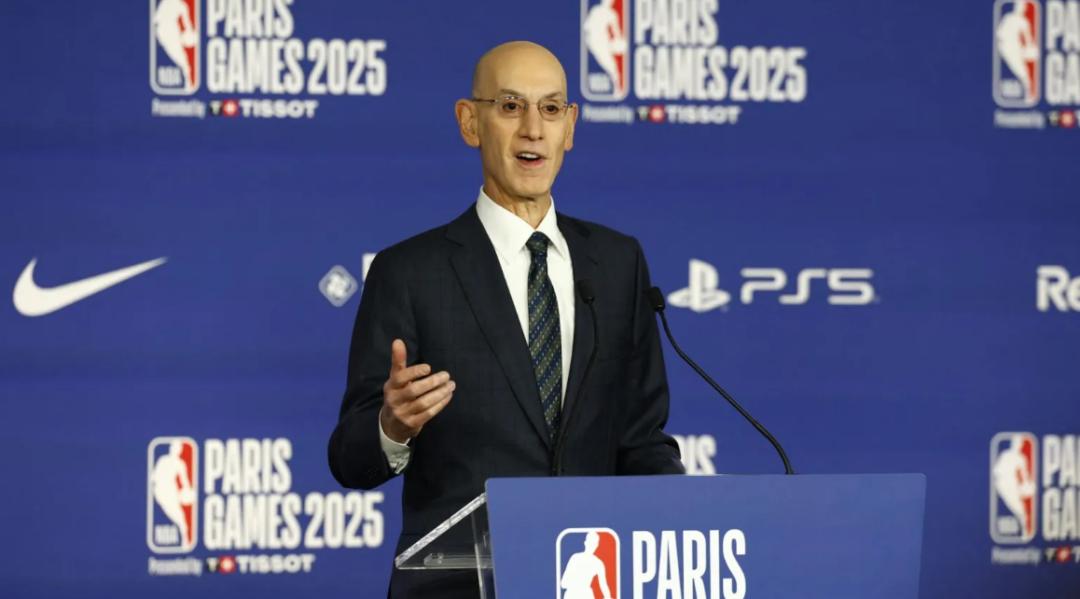
The football "European Super League," after five years of planning, ultimately failed. NBA Commissioner Adam Silver first publicly revealed the basketball "European Super League" plan in March last year, and it took about one year to nearly finalize its launch. North American capital firms such as JPMorgan Chase, KKR, Raine, and Saudi Arabia's Public Investment Fund show strong interest in the project; JPMorgan Chase was also the primary investor in the football "European Super League."
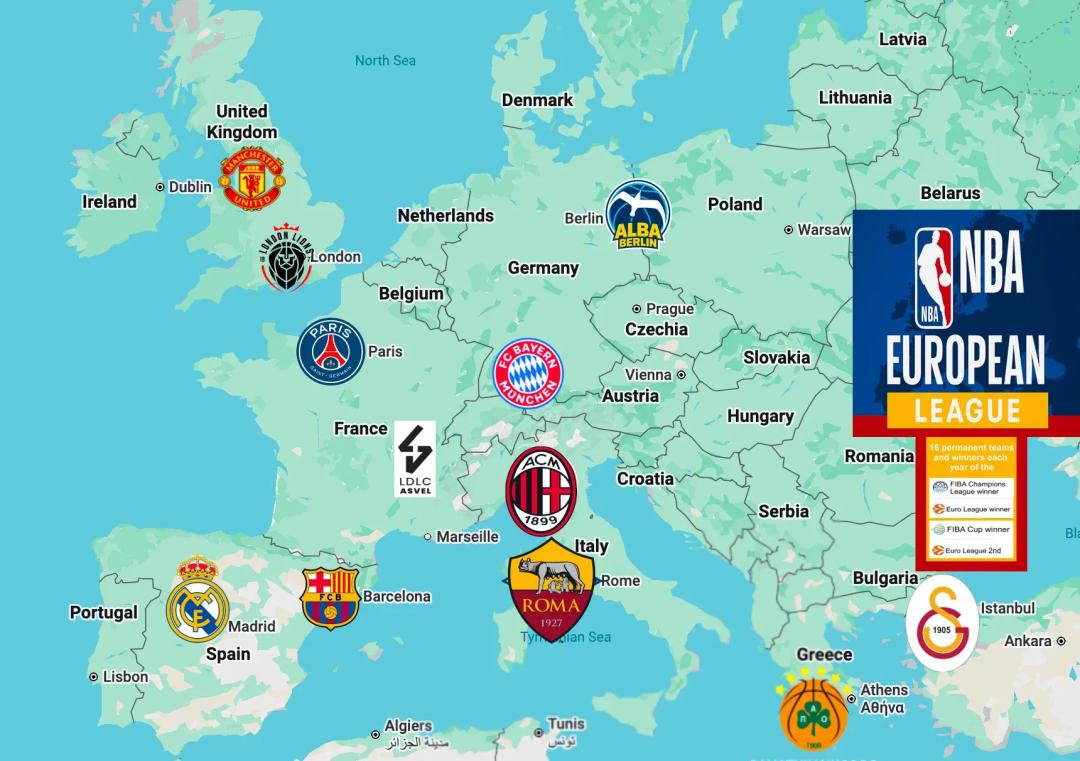
The NBA Europe League plans to consist of 16 clubs: 12 will be franchise-based "permanent clubs" similar to the NBA, while the remaining 4 spots will be allocated to teams from FIBA's existing European competitions, determined each season based on performance. The league will be composed of existing European basketball powerhouses, newly established basketball clubs, and football clubs currently without basketball teams. Dual-sport giants like Real Madrid, Barcelona, Bayern Munich, and Fenerbahçe are the top candidates.
Adam Silver stated that he hopes the NBA Europe League will closely integrate with European football culture. The league will initially launch in cities hosting Europe's top five football leagues, targeting locations including London, Manchester, Paris, Lyon, Madrid, Barcelona, Rome, Milan, Munich, Berlin, as well as Athens and Istanbul outside the top five leagues. To leverage the vast markets of football giants from these leagues, they particularly welcome football clubs without existing basketball teams to join.
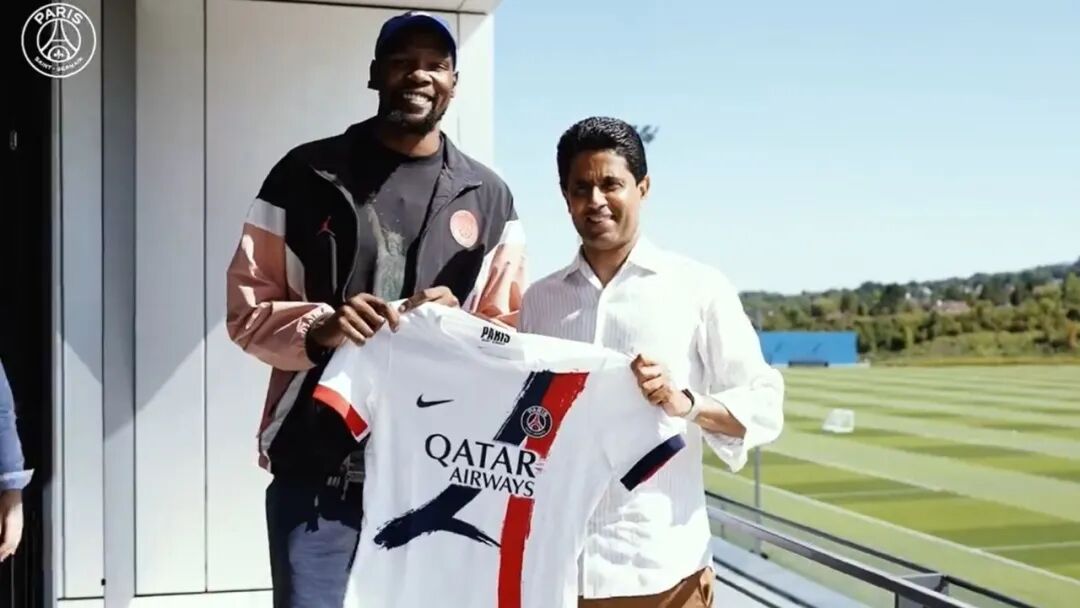
Last year, NBA superstar Kevin Durant invested in Paris Saint-Germain (PSG), and both PSG and Manchester City are among the invited clubs. Chelsea even considered adding a basketball arena within their new stadium plans to join the NBA league. PSG, sponsored by the North American sports brand Jordan, is seen as the most likely candidate. Besides Real Madrid and Barcelona, PSG is one of the European giants Silver has negotiated with. Paris is a major European city with rich football and basketball culture. The collaboration between the Jordan brand, Durant, and PSG also offers the Qatari royal family prospects for further cross-sector expansion of global influence.
To attract investment, the NBA has even altered its rules, allowing sovereign funds to hold higher ownership shares. Saudi Arabia's Public Investment Fund has decided to invest, and Abu Dhabi's consortium is also interested. In January this year, taking advantage of the NBA regular season game held in London, the NBA Europe League held a promotional event there. Executives from football giants Manchester City, Real Madrid, Barcelona, Bayern Munich, and AC Milan attended, along with NBA stars Pau Gasol and Tony Parker, and football legend Zlatan Ibrahimović representing Milan. London and Manchester are key cities for NBA development in England. Manchester City has already taken a step forward, and Chelsea is also considering joining. British media and fans are urging Manchester United to enter the competition, extending their rivalry with Manchester City from football to basketball.
On March 6, Italian Basketball Federation President Gianni Petrucci disclosed that two Italian clubs will join the NBA Europe League, from Rome and Milan. Olympia Milano, currently participating in the EuroLeague, has expressed interest in joining. Petrucci also indicated that AC Milan might acquire Olympia Milano or establish a basketball team to join. Moreover, Inter Milan, which also lacks a basketball team, has shown strong interest.
The city selection plan for the NBA Europe League clearly aims to directly recruit teams from the EuroLeague. After all, European basketball, in terms of rules and structure, lacks the overall cohesion and rigor compared to football.
Real Madrid, Lyon-Villeurbanne, and Fenerbahçe have not renewed their contracts with the EuroLeague. Barcelona's contract extends to 2037 but includes a €10 million buyout clause, allowing them to exit anytime. ALBA Berlin has already left the EuroLeague to join FIBA's Basketball Champions League. Threatened, the EuroLeague is not sitting idle; its new CEO, Jordi Bertomeu, recently announced a €1.5 billion financing plan, hoping to increase the league's valuation to €2.5 billion within three years to retain clubs that might be recruited.
However, the NBA Europe League is advancing aggressively, backed by North American and Middle Eastern capital, with an enticing plan projected to generate $30 billion in revenue upon launch. The basketball "European Super League," set to start in October 2027, combined with the "support" from football giants, has a considerable chance of success.
It is surprising that the European Super League plan, which failed in football, is now poised to be realized in basketball under the strong push of the NBA.


Wonderfulshortvideo
Kvaratskhelia and Ronaldo 🫶


🇪🇸 Spain 🆚 Argentina 🇦🇷
Arsenal goal today arsenal 2-1 chelsea arteta interview arteta press conference
When Diogo Costa saved EVERY penalty he faced in the shoot-out 🤯🤯🤯
The movement is electric ⚡️
Mbappe injury mbappe surgery real madrid 0-1 getafe mbappe return date mbappe edit
ronaldo almeria ronaldo buying new club ronaldo owner ronaldo manchester united owner
 Links
Links
 Contact
Address:123
Number:+123
E-mali:i123@gmail.com
 App
App