


China League One Jiangsu F4: Struggling Forward Amid "Salary Inversion"



Special Contribution/Su Youpeng If they could join "Su Super" teams, most players from Jiangsu's four China League One professional clubs would likely choose to play in the "Su Super." This is the current situation in Jiangsu football circles, where the line between professional and amateur is blurred, and the two competitions suffer severe salary inversion. Compared to the stable and generous wages of "Su Super" teams, Jiangsu's China League One clubs generally have lower incomes and face risks of delayed payments. Against this backdrop, Jiangsu's four China League One teams—Nantong Zhiyun, Nanjing City, Suzhou Dongwu, and Wuxi Wu Gou—are barely setting off. Their journey in the new China League One season is unlikely to yield significant achievements.

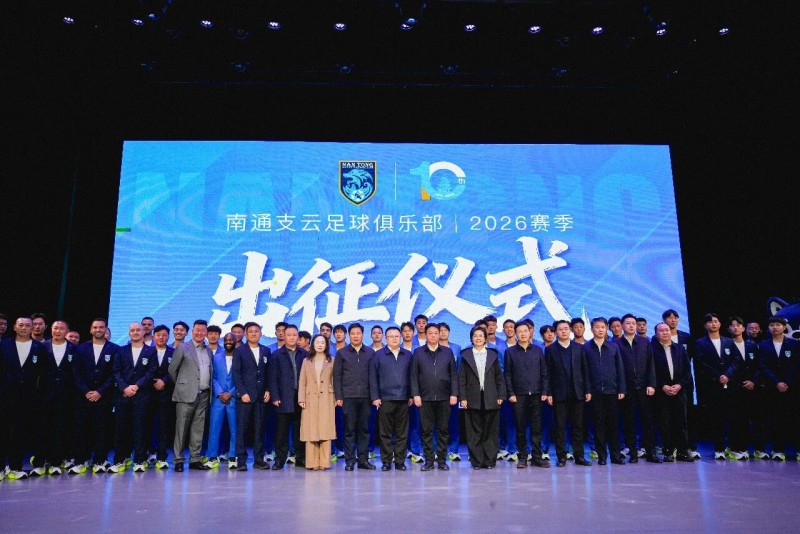
Among Jiangsu's four China League One teams this year, Nantong Zhiyun appears to have the strongest paper strength, so they once again harbor aspirations for promotion to the Chinese Super League. In terms of recruitment, the club invested nearly 3 million euros to sign Eldo Kalulu and Lucas Karl. It's worth introducing these two new foreign players, as their profiles suggest notable reputations: Eldo Kalulu, born in 1996, holds dual citizenship from the Democratic Republic of Congo and France, stands 1.66 meters tall, and plays as a forward. His professional career is extensive, starting from the Lyon academy in France's Ligue 1 in 2012, then moving through clubs like Rennes, Sochaux, Basel, and Swansea across Europe; Lucas Karl, nearly two months younger than Kalulu, is 1.86 meters tall, holds dual Brazilian and Italian citizenship, and can play multiple positions including midfielder and defender. Lucas Karl began his career at São Paulo's youth team, subsequently playing for Vasco da Gama, América Mineiro, Nacional da Madeira, Goiânia Atlético, Riyadh Sports, and Recife Sports. However, based on their performance since joining the team's training, they haven't yet justified their value. The responsibility for the team's midfield and forward attack likely still falls on the retained foreign player Alexander Kolev, who joined the team last July. In the remaining matches of the 2025 China League One season, he played 13 times for Nantong Zhiyun, contributing 7 goals and 4 assists. Perhaps due to better familiarity with the team and adaptation to China's climate, Kolev has clearly performed more steadily than the two new signings. Regarding domestic recruits, Zhiyun's acquisitions mainly focus on young players from Guangzhou and Zhejiang youth training systems. Though they may not be immediately usable, they serve as talent reserves. To achieve promotion with the current squad, Zhiyun would also need considerable luck.
Recently, Zhiyun's friendly match results have been quite impressive, including a victory over the Korean team Yongin FC, a K2 club that remained unbeaten during its winter training in Haikou and even defeated Shandong Luneng 5-1. While friendly match outcomes shouldn't be the primary reference, this game significantly boosted Zhiyun's morale. In the latest three friendlies, Zhiyun also secured wins against three China League Two teams, demonstrating relatively stable form.
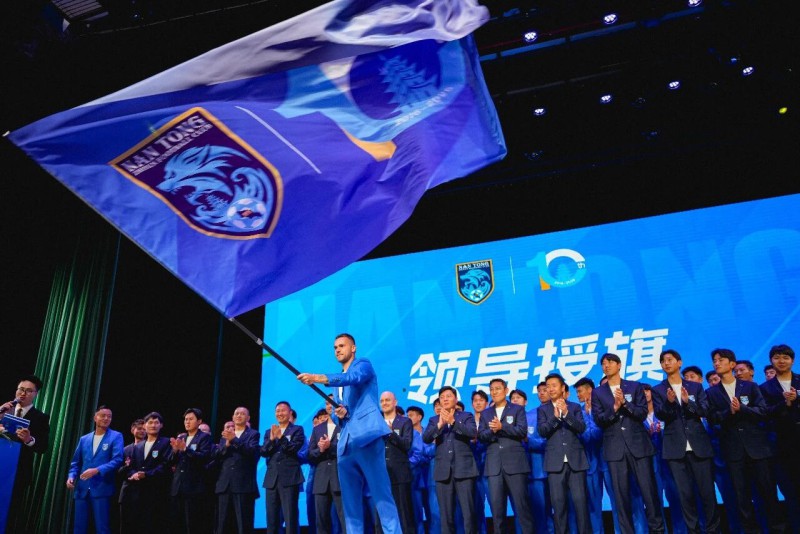
Discussing promotion, this isn't Zhiyun's first time having such ambitions, but last year the team fell far short of expectations. Looking at this year's situation, Zhiyun has some opportunities. Economically, the first team currently receives funding and resource support from the local Rugao government, while the youth梯队 is attached to Nantong's second team and fully managed by the city's sports bureau, so Zhiyun only needs to focus solely on competing in the China League One. With favorable地理 and human conditions secured, Zhiyun must now strive to compete fiercely with their China League One opponents.

Nanjing and Suzhou are both national football key cities, having conducted a football key city rivalry match for two years, with Suzhou winning each time, which has embarrassed Nanjing locally. However, both teams now face a similar issue: local governments prioritize the city representative teams in the "Su Super" league, so as China League One clubs, they will naturally receive less "care" in the future.
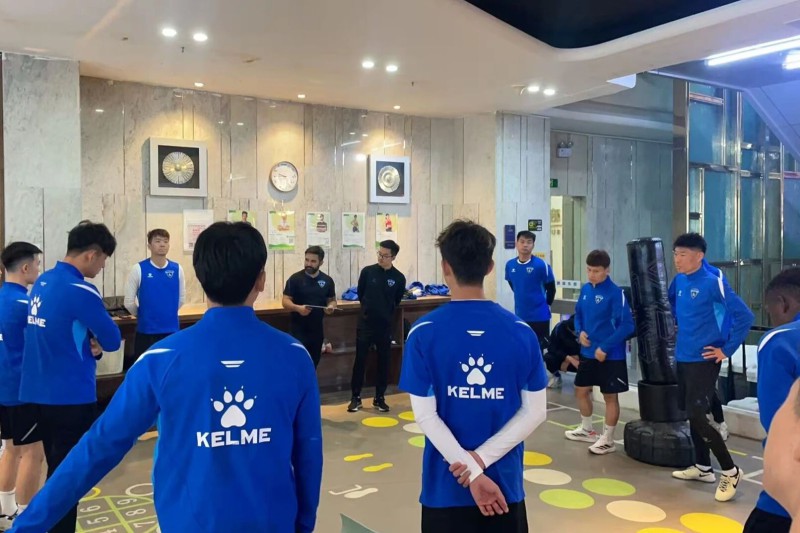
Nanjing City currently receives approximately ten million yuan annually from the Nanjing municipal government. If the club itself doesn't invest, this funding level cannot ensure upward development. Currently, Nanjing City's first team has very few Nanjing-born players, with large-scale recruitment from other regions each year, indicating the club's survival principle: persisting with minimal personnel costs, lacking the energy and funds to invest in club construction and development. A somewhat尴尬 situation is that the club's official微博 released two posts about player recruitment and departures on March 7; by noon on March 8, there was only one fan comment回复. Such fan engagement and social attention hardly match the identity of a省会-level China League One team like Nanjing City.
Examining the club's three new signings this season: Brazilian Zé Vitor, born in 1998, 1.80 meters tall, 86 kg, plays as a forward, previously效力于 Swedish club Frej, Brazilian club Vasco da Gama (乙级), and Portuguese club Feirense (甲级); Ngom Mbekeli, born in 1998, Cameroonian, 1.75 meters tall, 70 kg, plays as a forward,效力于 Moldovan club Sheriff Tiraspol and Meizhou Hakka, scored in European competitions, played 27 times for Meizhou Hakka with 5 goals and 4 assists; Robertilho, born in 1996, Brazilian, 1.80 meters tall, 80 kg, plays as midfielder,出自 São Paulo youth system,效力于 Brazilian clubs Capinis, América de Natal, Amazonas FC. The foreign recruitment direction clearly shows Nanjing City needs Brazilian players who can solve problems on the field themselves, using the simplest methods to secure points. The team also signed a Hong Kong Chinese player Huang Wei this year, quite eye-catching. Born in 1992, 1.84 meters tall, 75 kg, plays as midfielder,先后效力于 clubs like Deep Water埗, Crossers MG, Hong Kong Pegasus, Tai Po, Eastern, Hong Kong U23, Lee Man.
Based on winter training in Foshan, Nanjing City's overall strength lies in the lower-middle tier of China League One. Even when热身 against the newly formed Jiangsu team (a China Champions League team) during its磨合期, they couldn't gain advantage, especially with foreign players performing mediocrely. Thus, externally, Nanjing City's most务实 goal for the 2026 season is avoiding relegation. If relegated to China League Two, the local government would不得不 reconsider future cooperation.
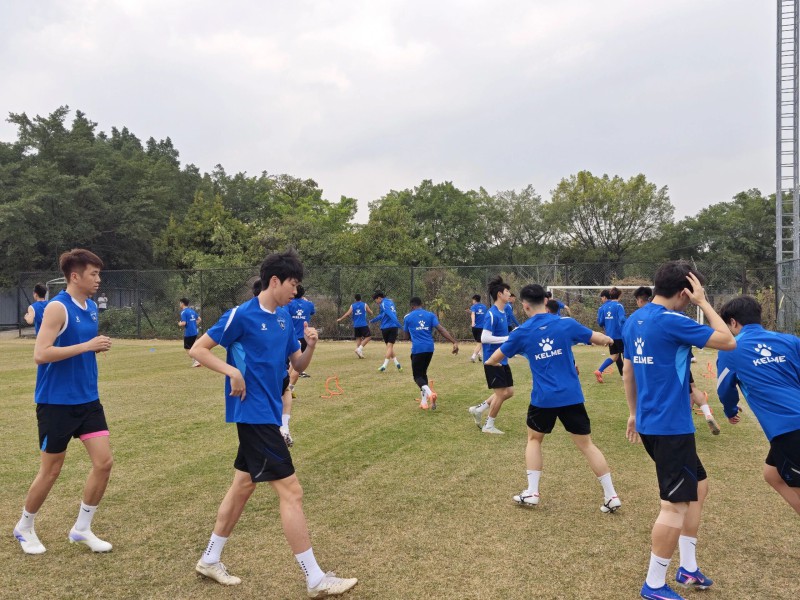

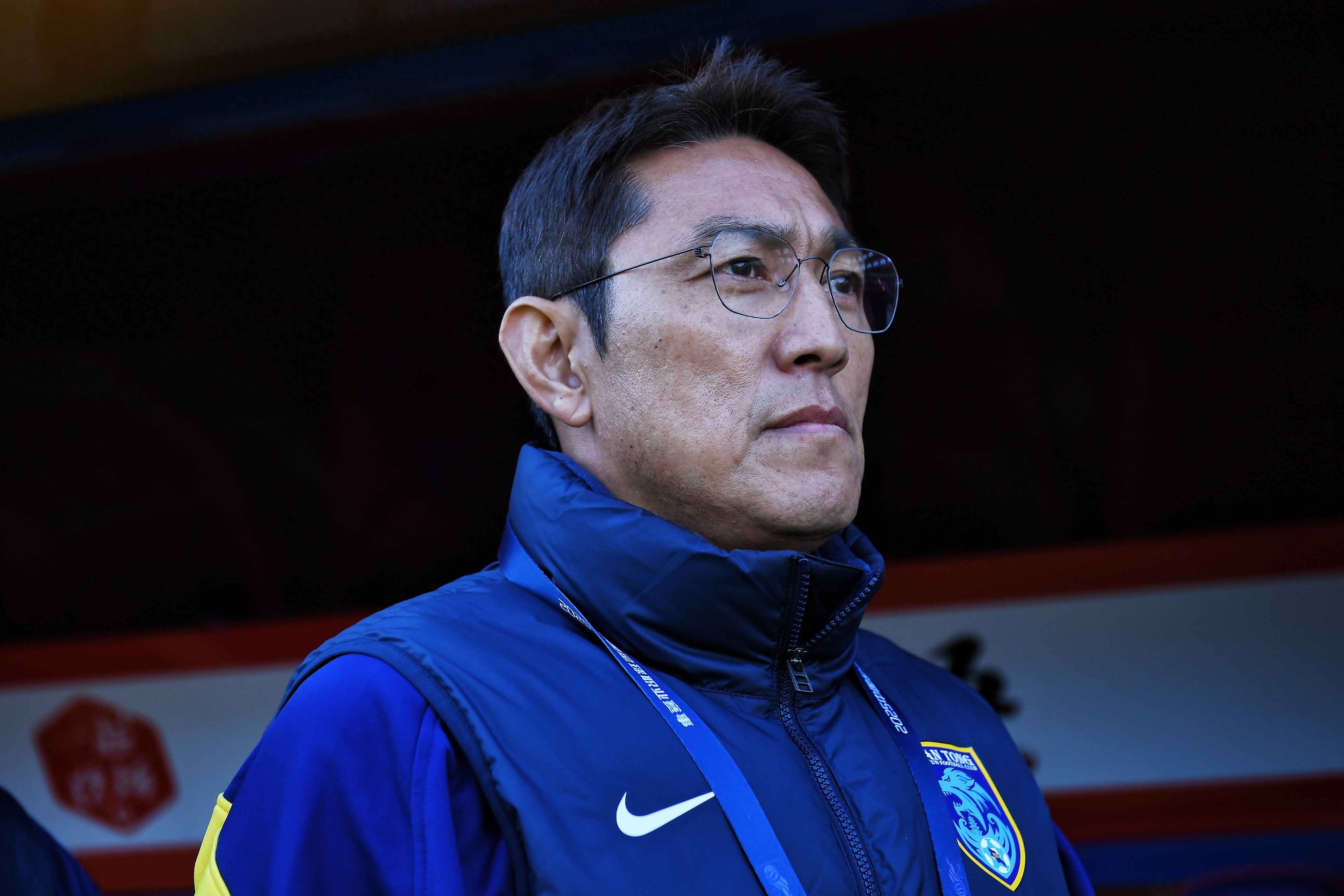
Originally, under市领导's关心, Suzhou Dongwu was once the best-situated among Jiangsu teams, but due to internal management issues and government班子 adjustments, Suzhou Dongwu for the 2026 season has become an尴尬 existence, with大幅缩水预算. First, the new head coach: this season the club appointed Yu Yuanwei (截至 March 8 noon, the club's official微博 post announcing the head coach had only one fan comment回复). During his playing career, he效力于 Shandong Luneng泰山, Qianwei寰岛等队; his coaching career started at Shandong Luneng泰山 Football School, served as head coach of Chongqing Tongliang Long in 2024, and head coach of China League Two Lanzhou Longyuan竞技 in 2025. Using a China League Two head coach for a China League One team doesn't necessarily mean放弃, but部分 domestic recruits来自 China League Two and China Champions League明显降低 the team's overall competitiveness.
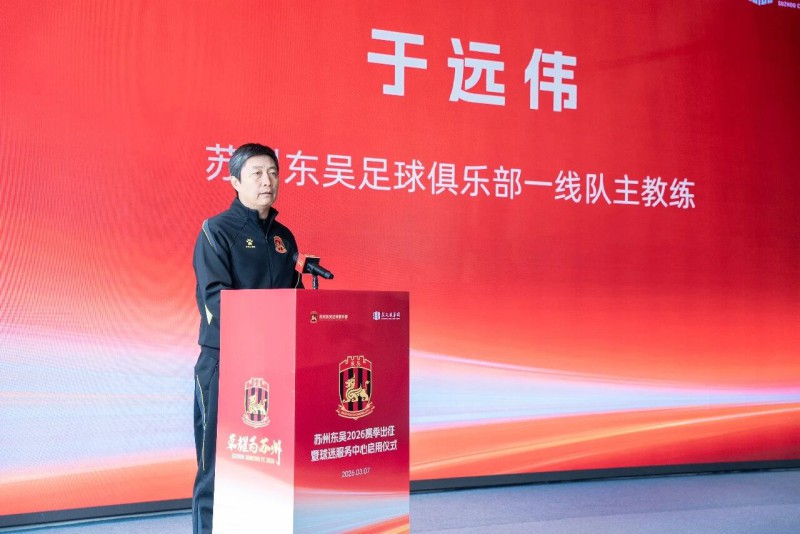
Compared to the轰轰烈烈出征仪式, football event文艺表演, and资方文投集团表彰总结会 organized by the club, the team quietly began新赛季备战. After returning from Kunming, Yunnan, Suzhou Dongwu played a morale-boosting match, defeating the city team representing Suzhou in the "Su Super" league 3-0. This also illustrates that even struggling professional football isn't随便挑战 by amateur teams,捍卫了 China League One team's颜面. However, facing amateur teams is one scenario; facing professional teams presents another level of对手. This year's Suzhou Dongwu, apart from Estrella with a 1+1 automatic续约, hasn't officially announced any new foreign players, meaning they might use an all-domestic lineup in the新赛季,尝试ed in previous friendlies. Such做法 of not utilizing full foreign player权益 but硬拼 can be seen as勇气 to培养本土球员, or视为一种放弃.
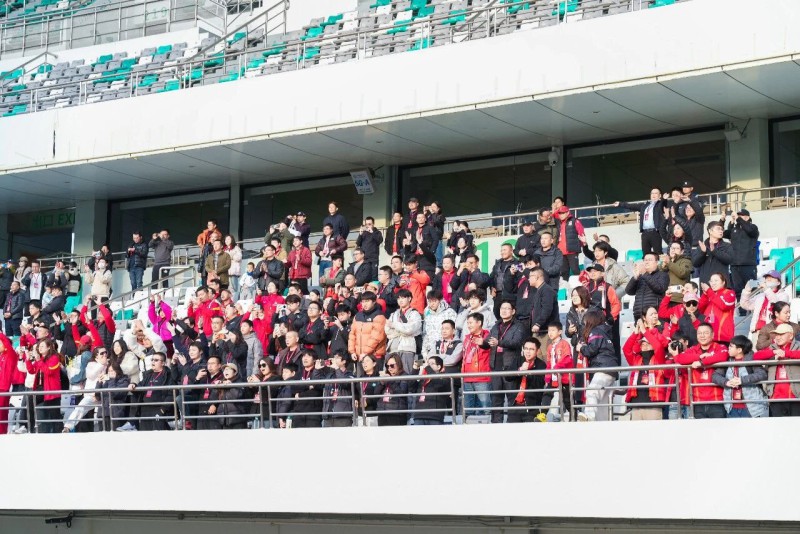
Within Jiangsu football circles, there's a传言 that Nanjing and Suzhou intend to cease operating men's professional football teams after this season,转而组建 their优势项目 women's football teams, achieving均衡推进 between women's football and "Su Super" men's teams,同时省下一笔不小开支.

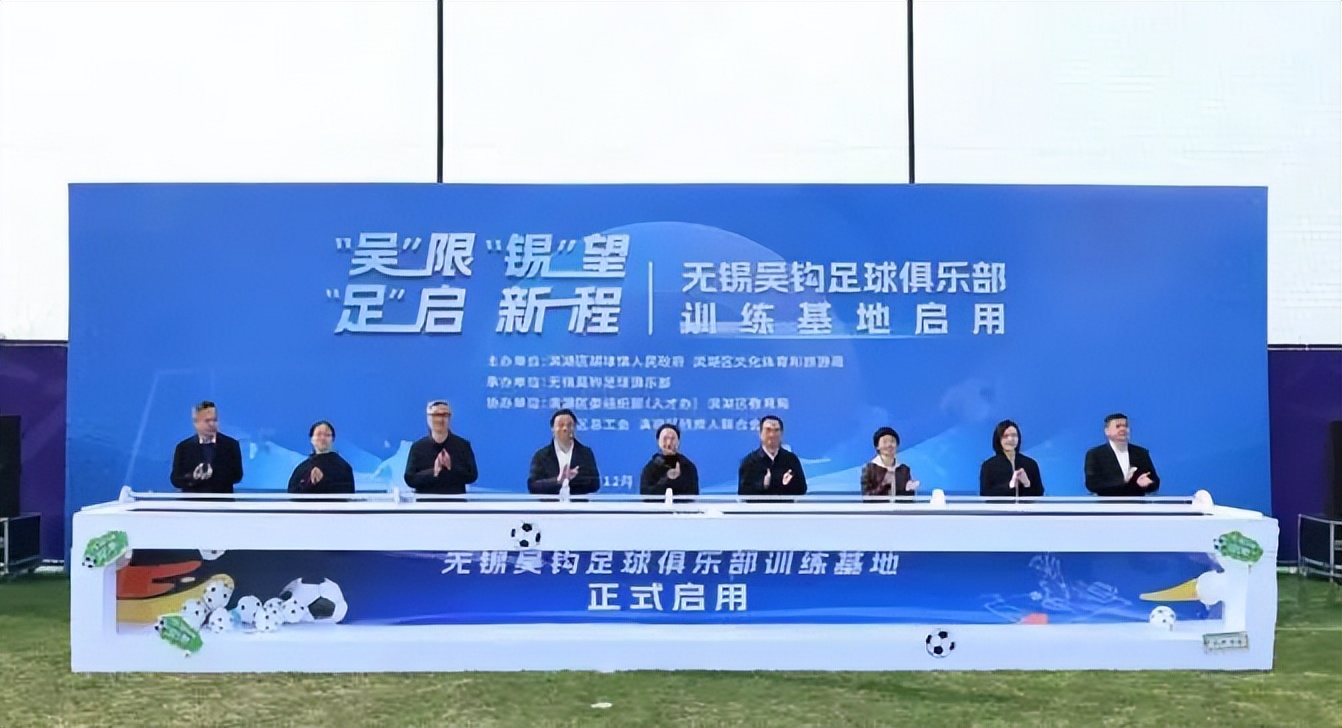
After relegation in the 2024 season, Wuxi Wu Gou won the China League Two亚军 last season and returned to China League One this year, injecting a强心针 for the club. Coupled with the excellent performance of Wuxi's team in last year's "Su Super," this苏南 city now exhibits a very positive football atmosphere. On December 30 last year, Wuxi Wu Gou's training base in Hudai Town,滨湖区,正式启用, a gift for the club's return to China League One, also indicating当地政府's重视足球工作.
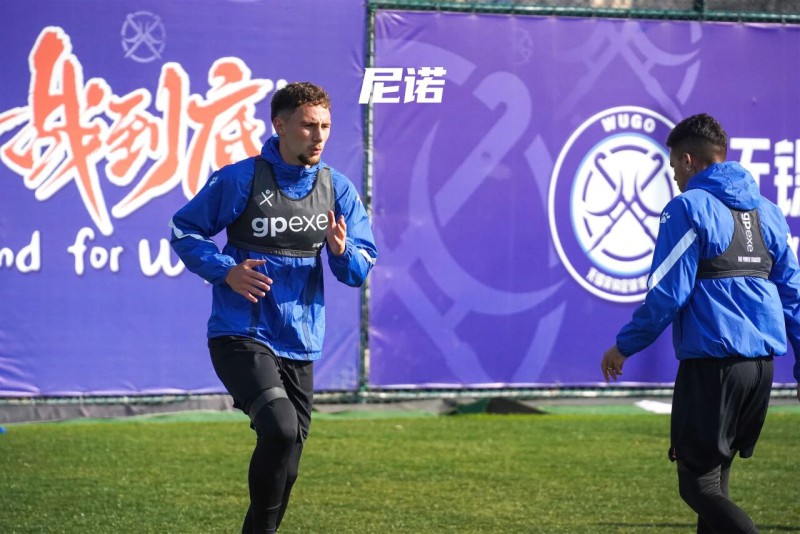
For the新赛季, Wuxi Wu Gou emphasizes practicality. The newly signed Dutch striker Nino Nordanus is 1.87 meters tall,拥有典型的现代中锋身材, capable of finishing himself while also serving as a支点做墙 for team attacks. The other two foreign players have also磨炼ed in China League One: Bosnian defender Tarik Isić, 1.92 meters tall, plays as center-back,效力于 Nanjing City last season, appearing 24 times in China League One with 23 starts;另一名 midfielder Nicolas Abaracin,拥有乌拉圭/Italian dual citizenship, 1.82 meters tall, played 28 times for China League One Foshan Lions in 2025, scoring 8 goals and assisting 11. In the新赛季, Abaracin will become Wu Gou's组织核心; his excellent视野 and精准传球 will create更多得分机会 for teammates, while his scoring ability isn't逊于一般前锋. With such foreign player搭配 across前中后场, Wu Gou's paper strength already surpasses Nanjing City and Suzhou Dongwu, likely emerging as the黑马 among Jiangsu's four China League One teams.


Wonderfulshortvideo
Kvaratskhelia and Ronaldo 🫶


🇪🇸 Spain 🆚 Argentina 🇦🇷
Arsenal goal today arsenal 2-1 chelsea arteta interview arteta press conference
When Diogo Costa saved EVERY penalty he faced in the shoot-out 🤯🤯🤯
The movement is electric ⚡️
Mbappe injury mbappe surgery real madrid 0-1 getafe mbappe return date mbappe edit
ronaldo almeria ronaldo buying new club ronaldo owner ronaldo manchester united owner
 Links
Links
 Contact
Address:123
Number:+123
E-mali:i123@gmail.com
 App
App